
Japanese series, sorted by the time you have
Bingr
151 live-action series and 1,935 episodes, 1981 to 2026, chosen for the whole household.

 5 ep
5 ep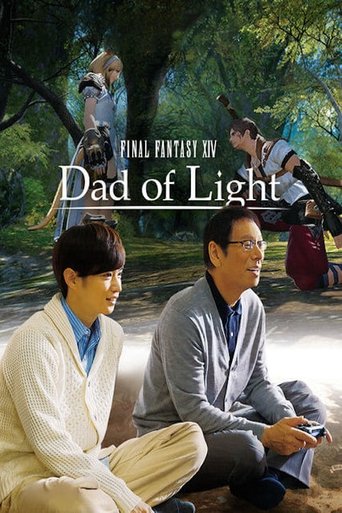 8 ep
8 ep 8 ep
8 ep 6 ep
6 ep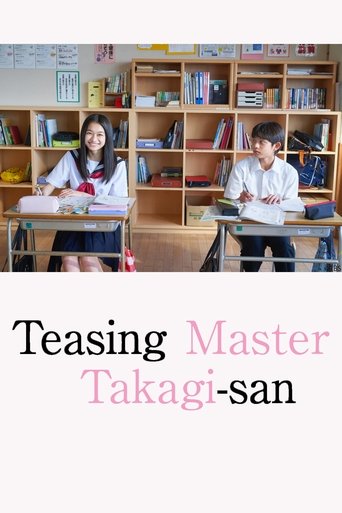 8 ep
8 ep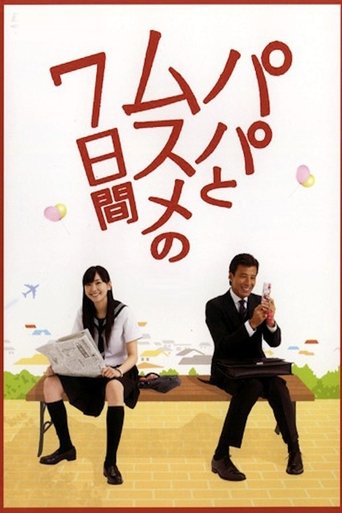 7 ep
7 ep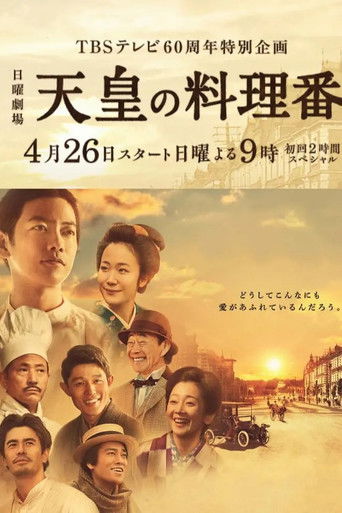 12 ep
12 ep 10 ep
10 ep 10 ep
10 ep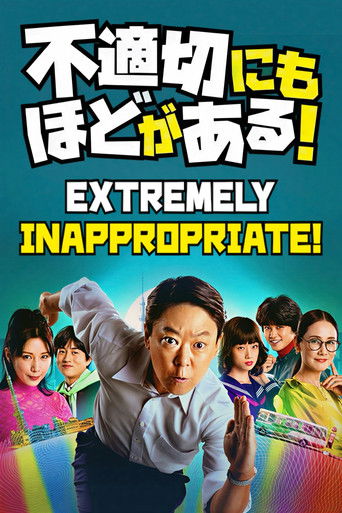 10 ep
10 ep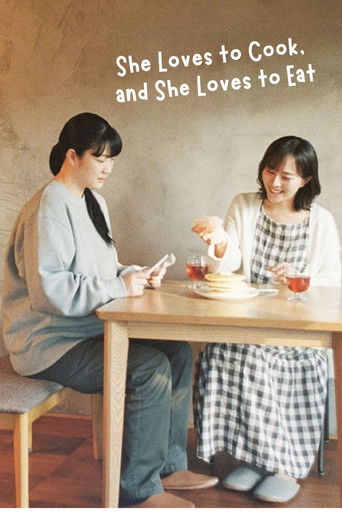 30 ep
30 ep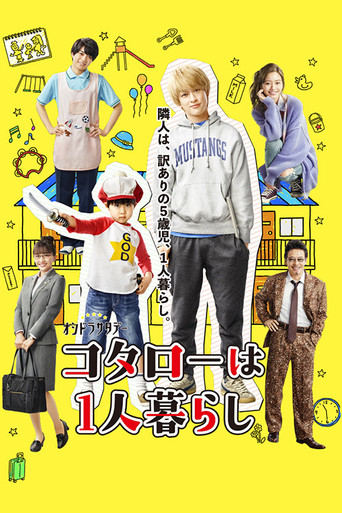 19 ep
19 ep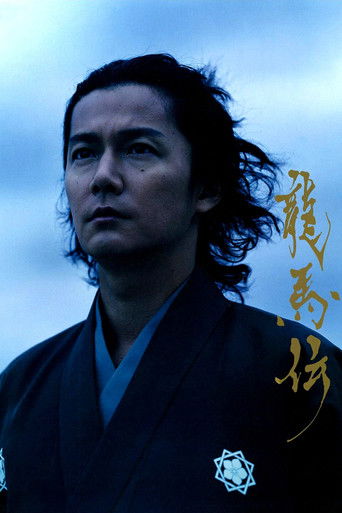 48 ep
48 ep 16 ep
16 ep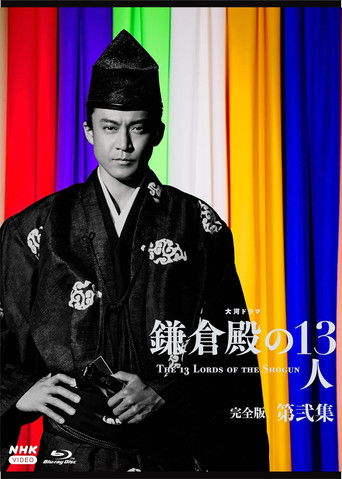 48 ep
48 ep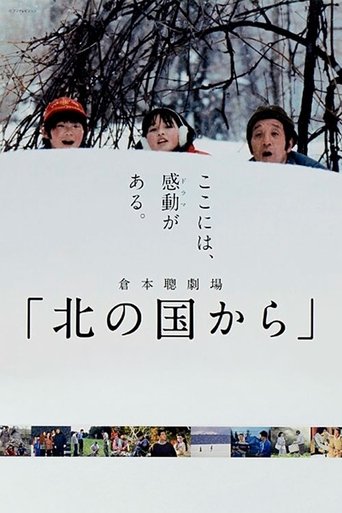 24 ep
24 ep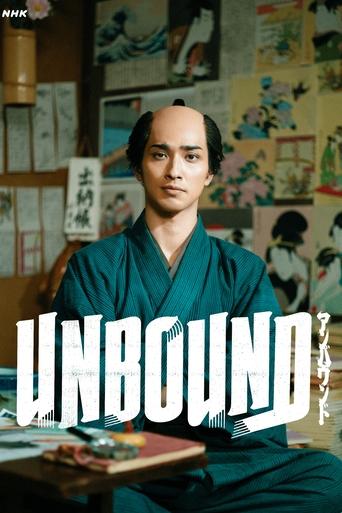 48 ep
48 ep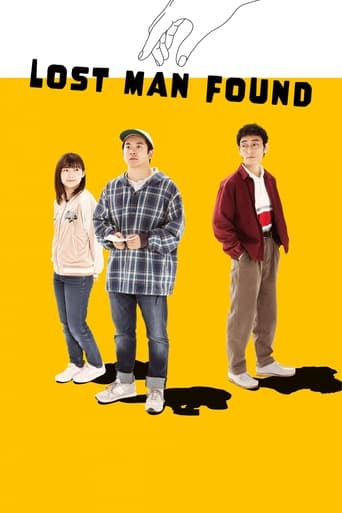 10 ep
10 ep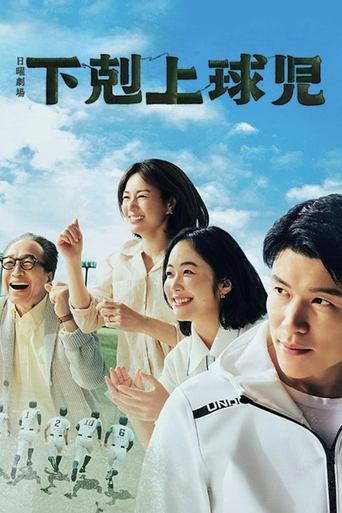 10 ep
10 ep 11 ep
11 ep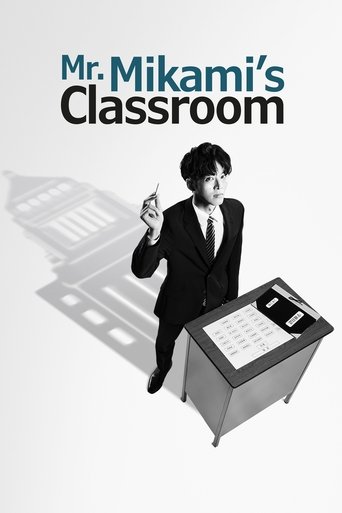 10 ep
10 ep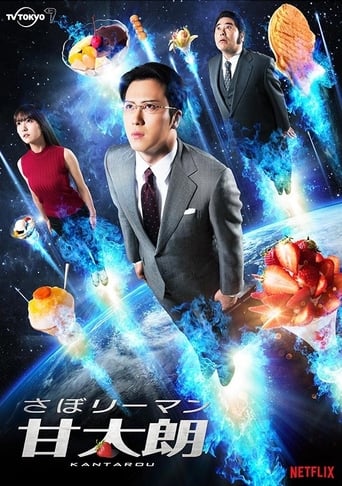 12 ep
12 ep 10 ep
10 ep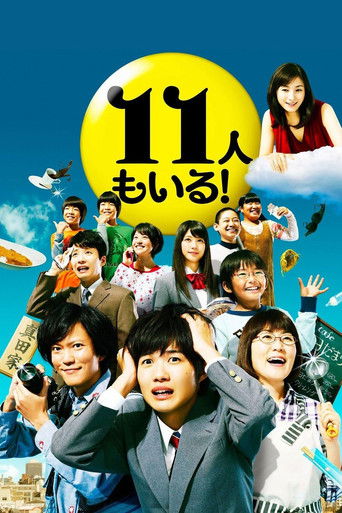 9 ep
9 ep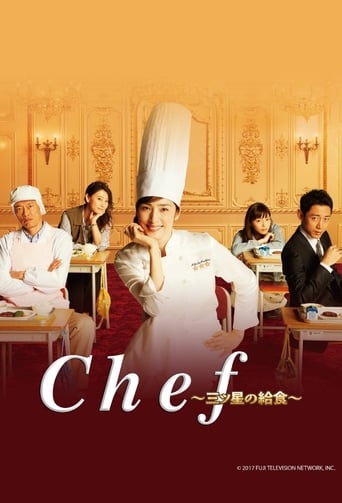 10 ep
10 ep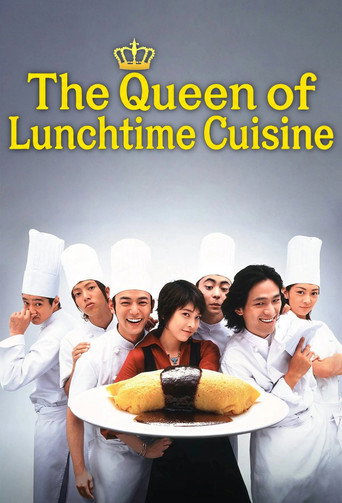 12 ep
12 ep 10 ep
10 ep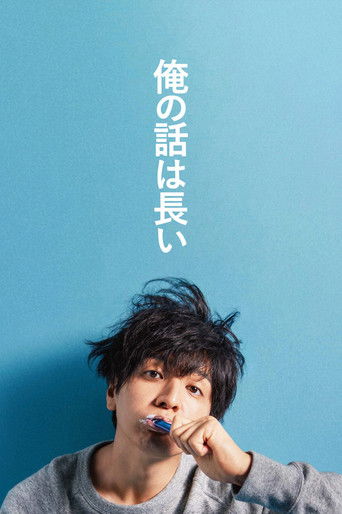 10 ep
10 ep 11 ep
11 ep 11 ep
11 ep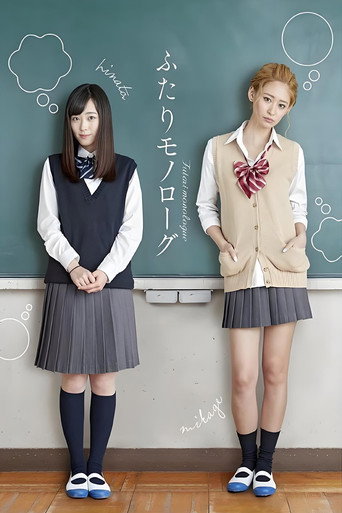 6 ep
6 ep 10 ep
10 ep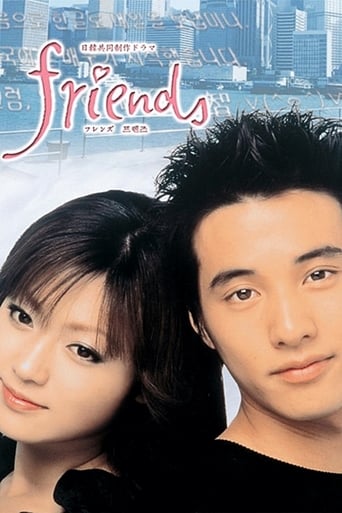 4 ep
4 epJapanese series for the whole household: the Bingr guide
Bingr: Japanese series to watch in a weekend, from The Great White Tower, From the Northern Country and Nagi's Long Vacation to Matrimonial Chaos, Rikuoh and The Emperor's Cook
Japanese television has a habit that makes it ideal for anyone who likes to finish what they start. A series there is planned as one season of ten or eleven episodes, broadcast once a week over three months, and when the last episode has been shown the story is over. There are few cliff-hangers held back for a second year and very little padding; the writer knows from the first page how many hours are available and where the final scene will fall. Bingr is a guide to 151 such series, all live-action, made between 1981 and 2026, with 1,935 episodes between them. Each has its own page, its story, its cast, a list of its episodes and a Watch now button that leads to the official services carrying it in your country.
The catalogue has been chosen for the whole household. Every series was read through by hand, and the selection favours comedies, love stories, family dramas, stories of working life and the gentler period pieces. Crime series, horror, tales of the battlefield and titles made strictly for adults were left out. What remains is a television of everyday life observed with great care: a woman who gives up her job to learn how to breathe, a maker of traditional socks who decides to build a running shoe, a father and son who find each other inside a video game, a schoolgirl who teases the boy at the next desk.
Bingr sorts its series by the time they ask for. Thirty-one are complete in eight episodes or fewer and can be finished in one evening or two. One hundred run to between nine and twelve episodes, the classic length, and fill a weekend. Twenty are longer, among them the year-long historical dramas of the national broadcaster, and reward a long stay. Fifty-one carry a score of 7.8 or higher from the viewers of TMDB.
A first-time visitor can begin with any of six series. The Great White Tower is the great Japanese hospital drama. From the Northern Country follows a father and two children to a farmhouse in Hokkaido. Nagi's Long Vacation is about a young woman who walks away from her whole life with a futon and a bicycle. Matrimonial Chaos is a comedy of two couples in one Tokyo neighbourhood. Rikuoh is the story of a small company with a large idea, and The Emperor's Cook tells how a restless country boy became head chef to the imperial household.
How the collection is arranged
Bingr keeps a slim header with its lower-case wordmark at the left, a menu beside it and a search field and an orange My List button at the right. The home page opens with a rounded panel: the heading and a short description on one side, three posters fanned like a hand of cards on the other, and two buttons, one for the whole catalogue and one for the shortest series. Beneath it run the rows, each marked by a small tile. Tiles 1, 2 and 3 stand for One evening, A weekend and A long stay; a star marks the top-rated series, a steaming bowl the series about food, and a pencil the series about school. Every poster carries a small label with its number of episodes, so the length of a series can be seen before the page is opened.
The lists beyond the home page sort the catalogue in other ways. Romance, Comedy, Drama and Family sort the series by kind. At work gathers sixty-two stories set in hospitals, offices, studios and classrooms, Food seventeen about cooking and eating, School fifty-eight about pupils and teachers, and Period drama a dozen set in the past. Five lists divide the catalogue by year, and Top rated holds the fifty-one with the strongest scores.
A series page on Bingr always reads from top to bottom in one order. The poster and the title come first, with the Japanese title beneath and a line of labels for the year, the number of episodes and whether the series is complete. The story is told in a paragraph and the leading actors are named. Then comes the Watch now button with its choice of country, which Bingr remembers, and under it the full list of episodes with the dates of their first broadcast in Japan.
One evening
Thirty-one series can be finished in an evening or two, and they are a good way to try Japanese television. 0.5 Man (2023) has five episodes. Masaharu, once a gifted programmer, stopped going to work years ago and lives in his parents' house, playing games at night and sleeping by day. When his sister's family moves in and the house is rebuilt for two and a half households, he is the half. The series watches, with great gentleness and a good deal of humour, as a small niece and a moody nephew draw him back into the day. Stay Tuned! (2019), also in five parts, is a comedy set at a small television station in Hokkaido, where a new reporter with a talent for chaos turns out to be exactly what the newsroom needed.
Bread and Soup and Cat Weather (2013) is four episodes long and as restful as its title. Akiko, an editor in her fifties, leaves publishing after her mother's death and reopens the family's small restaurant as a place that serves only sandwiches and soup, with a stray cat for company; Satomi Kobayashi plays her. Final Fantasy XIV: Dad of Light (2017) is based on a true story: a son who has always found it hard to talk to his reserved father gives him a games console, joins him in an online adventure under another name, and gets to know him there. It is one of the warmest series about family in the catalogue.
Teasing Master Takagi-san (2024), filmed on an island in the Inland Sea, is a comedy of two classmates at a country middle school: Takagi sets small traps for the boy who sits beside her, and he spends each episode planning a revenge that fails. Wasteful Days of High School Girls (2020) and Futari Monologue (2017) are quick school comedies, and Captivated, by You (2021) is a set of five odd, affectionate sketches of school life. The Girl Who Leapt Through Time (2016) retells a famous story of a schoolgirl who finds she can jump backwards through her own summer.
The short form suits quiet romance. Love Will Begin When Money Ends (2020) pairs a careful young accountant with the spendthrift son of her company's owner, and was one of the last roles of Haruma Miura. Old Fashion Cupcake (2022) is about an office worker nearing forty and the younger colleague who takes him out to try the cakes and cafés he has always walked past. Love Begins in the World of If (2025), Living with Him (2024), Given (2021), Contrast (2026) and The Servant Prince (2026) are gentle love stories between young men, and Takane & Hana (2019) is a comedy of an arranged meeting between a schoolgirl and a proud heir.
Others on the list are Yamada-kun and the Seven Witches (2013), in which a model pupil and a troublemaker swap bodies, Seven Days of a Daddy and a Daughter (2007), in which a father and his teenage daughter do the same after a railway accident and have to go to each other's office and school, Sumika Sumire (2016), about a woman of sixty-five who becomes twenty again, Samurai Sensei (2015), Hotel: Next Door (2022), The History of Our Family (2010), a three-part comedy of one household from 1927 to 1964, and A Day-Off of Kasumi Arimura (2020), in which a well-known actress plays herself on a series of imaginary days off.
A weekend
One hundred series run to between nine and twelve episodes, which is the natural length of a Japanese drama. Nagi's Long Vacation (2019) is a fine place to begin. Nagi is twenty-eight and has spent her life reading the mood of every room so as to fit in. One day she overhears what her boyfriend says about her, faints at her desk, and decides to stop: she resigns, gives up her flat, cancels her telephone and moves to a shabby apartment on the edge of Tokyo with a futon tied to her bicycle. Haru Kuroki plays her with great delicacy, and the neighbours she meets there, a film-loving old lady, a small girl and her mother, a carefree man next door, are a pleasure.
Matrimonial Chaos (2013), written by Yuji Sakamoto, is the best comedy of marriage that Japanese television has produced. Mitsuo is fussy, talkative and easily irritated; his wife Yuka is easy-going to the point of chaos; and a few streets away live his former girlfriend and her charming, unreliable husband. The four of them argue, part, confide in the wrong person and argue again, in dialogue of wonderful speed. Sakamoto also wrote anone (2018), a quieter and stranger story of a solitary girl and a widow, and his influence can be felt in many of the series here.
Rikuoh (2017), from a novel by Jun Ikeido, is set in a town north of Tokyo at a century-old firm that makes tabi, the split-toed socks worn with traditional dress. Orders are falling, and the owner, played by Koji Yakusho, decides to use what his craftswomen know about feet to make a running shoe. The series follows the shoe from a sketch to the feet of a marathon runner, through banks, rivals and a great many late nights, and by the end the viewer cares about the sole of a shoe more than seems reasonable. It is the model of the Japanese business story, and The Royal Family (2025), set among the owners and trainers of racehorses, is a recent example of the same kind.
A long stay
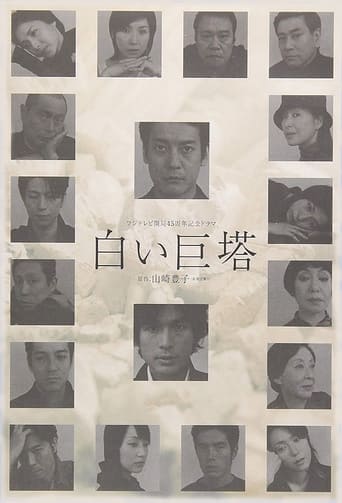
Twenty series ask for more time, and several of them are landmarks. The Great White Tower (2003), in twenty-one episodes, is drawn from a novel by Toyoko Yamasaki about a university hospital in Osaka. Two doctors who trained together have taken different roads. Zaizen, a brilliant surgeon played by Toshiaki Karasawa, wants the professor's chair and will canvass, flatter and scheme to get it; Satomi, a physician played by Yosuke Eguchi, wants only to treat his patients well. The first half follows the election for the chair, as gripping as any thriller, and the second a case that tests both men. It is among the highest-rated series in the catalogue and one of the great dramas of ambition in any language.
From the Northern Country (1981), written by So Kuramoto, changed Japanese television. Goro, whose marriage has ended, takes his son Jun and his daughter Hotaru from Tokyo to the valley in Hokkaido where he was born, and moves them into an abandoned hut with neither electricity nor running water. The children are appalled. Over twenty-four episodes, told in the boy's own voice, the three of them learn the land through a whole northern year: the first snow, the fox that comes to the door, the stream they dam to bring water to the house. The town of Furano, where it was filmed, has kept the houses as they were, and visitors still come to see them.
The national broadcaster makes one historical series each year, in about fifty episodes, and Bingr has four. Ryōmaden (2010) tells the life of Sakamoto Ryōma, the low-ranking samurai who helped to bring the feuding domains together in the 1860s, with the singer Masaharu Fukuyama in the part; the story is told by a rival who became one of the founders of modern Japanese business. The 13 Lords of the Shogun (2022), written by Koki Mitani, is set at the birth of the first samurai government in the twelfth century and has a wit unusual in the form. Burning Flower (2015) sees the same years as Ryōma through the eyes of a teacher's sister, and Unbound (2025) is the story of the publisher who made the woodblock artists of eighteenth-century Edo famous. These series contain the politics and conflicts of their periods and suit older viewers.
The morning serial is another institution: fifteen minutes a day, six days a week, for half a year, usually about a young woman finding her work. Welcome Home, Mone (2021) follows a girl from an island on the north-east coast who becomes a weather forecaster, and in its 120 short episodes it is the longest series on Bingr. Among the hospital dramas, Emergency Room 24 Hours (1999) follows a gifted and guarded doctor through fifty-four episodes, DOCTORS: The Ultimate Surgeon (2011) a surgeon who reforms a complacent hospital by charm and cunning, and Leave It to the Nurses (1996) a trainee nurse who gets everything wrong and is loved by every patient.
Lighter long series include Samurai Cat (2013), about a fearsome swordsman who is hired to deal with a white cat and takes her home instead, Kotaro Lives Alone (2021), about a boy of four who moves into a block of flats by himself and looks after his neighbours, Youkai Sharehouse (2020), The Pride of the Temp (2007), The Road to Red Restaurant List (2020), in which a tired office worker spends his weekends driving to old country restaurants before they close for good, Lunch at a Famous Building (2020), Tengu's Kitchen (2023), She Loves to Cook, and She Loves to Eat (2022), Switch Girl!! (2011) and Under One Roof (1993), in which the eldest of six orphaned siblings gathers the family back into one house.
The comedies of Kankuro Kudo
Five series in the catalogue were written by Kankuro Kudo, the most distinctive comic voice in Japanese television, and together they make a small festival. Kisarazu Cat's Eye (2002) made his name: five friends in a sleepy port town across the bay from Tokyo, who play amateur baseball and drink in the same bar every night, decide to make the most of the time they have. The storytelling runs each episode forwards and then back again to show what really happened. Odd Family 11 (2011) is about a household of ten with very little money and one ghost.
We're Millennials. Got a Problem? (2016) follows three men born in 1987, a salesman, a schoolteacher and a perpetual student, who belong to the generation that Japan's newspapers accused of being soft. Story of My Family!!! (2021) brings a professional wrestler in his forties home to care for his father, a master of the classical Noh theatre, and to take up the family art he ran away from. Extremely Inappropriate! (2024) sends a loud physical education teacher from 1986 to the present by bus, and lets each period be astonished by the other, with songs. All five are quick, generous and full of people talking at once.
Series about work
The working drama is the heart of Japanese television, and sixty-two series here are set in a workplace. Pretty Proofreader (2016) is among the most enjoyable. Etsuko, played by Satomi Ishihara, has wanted all her life to edit a fashion magazine, and is taken on by the right publisher in the wrong department: the proofreading room in the basement, where manuscripts are checked for errors of fact. She brings to commas and train timetables the passion she had kept for hemlines, visits the places in novels to see whether the author got them right, and turns a dusty office upside down. The Pride of the Temp (2007) has a heroine of the opposite temper: Haruko, a temporary clerk with a drawerful of licences, who does every job perfectly, leaves on the stroke of six and refuses all friendship, until the office wears her down.
Aviation has two series, Good Luck!! (2003), with Takuya Kimura as a young co-pilot, and Miss Pilot (2013), with Maki Horikita as a trainee. Television looks at itself in News Anchor (2025), with Hiroshi Abe, and in Stay Tuned!. Publishing, advertising and fashion appear in She Was Pretty (2021), Tokyo Alice (2017) and Mountain Woman, Wall Woman (2007), which is set in the handbag department of a great store. Fictitious OL Diary (2017) is a deadpan comedy of five women in a bank's back office, written by the comedian Bakarhythm, who plays one of them. Talentless TAKANO (2024), Aoshima-kun Is Mean (2024), Mr. Bride (2023) and Weakest Beast (2018), written by Akiko Nogi with Yui Aragaki, are comedies and dramas of office life.
Medicine is the largest group. Besides the long series already described there are Good Doctor (2018), with Kento Yamazaki as a young paediatric resident with an extraordinary memory, A Life: A Love (2017), with Takuya Kimura as a surgeon who returns to the hospital that once dismissed him, Dr. Rintaro, Psychiatrist (2015), The 19th Medical Chart (2025), about a doctor of general practice who listens before he tests, After School Doctor (2024), set in the sickroom of a primary school, On a Starry Night (2023) and Delinquent to Doctor (2026). The Hours of My Life (2014) sees illness from the other side: Takuto, a student looking for his first job, learns that he has a disease of the nerves that will slowly take his strength, and decides how he will spend the time; Haruma Miura's performance is remembered with great affection.
Teachers have their own shelf. Mr. Mikami's Classroom (2025) sends an official from the education ministry to teach in a real school. From Now On We Begin Ethics (2021) follows a calm teacher of philosophy whose lessons reach his pupils' private troubles, and Worst to First: A Teen Baseball Miracle (2023) tells how a social studies teacher took a school team that had lost every match for ten years to the national championship. Legal V (2018) is a brisk comedy of a law office run by a woman who has lost her licence to practise, and Hotel on the Brink! (2018) of a hotel one bad week from closing.
Food
Seventeen series are about cooking and eating, a subject Japanese television treats with reverence. The Emperor's Cook (2015) is the grandest. Tokuzo is the second son of a provincial family in the 1900s, a boy who has failed at everything he has tried, until one day he tastes a cutlet cooked by an army chef. He runs away to Tokyo, scrubs pots, quarrels his way through the best kitchens in the city and then in Paris, and at twenty-six is appointed head of the kitchens of the imperial household. Takeru Satoh plays him, with Haru Kuroki as his wife, and the series spans sixty years.
Chef: Three Star School Lunch (2016) stars Yuki Amami as a celebrated cook who is dismissed from her restaurant and takes the only job she can find, making lunches for four hundred primary school pupils on a tiny budget, for the most honest critics she has ever faced. The Queen of Lunchtime Cuisine (2002) is set in a family restaurant famous for its omelette rice, where a young woman with an appetite arrives pretending to be the eldest son's fiancée. Fermat's Cuisine (2023) is about a mathematics student who discovers that a recipe can be solved like a proof, and Then You Try Making It! (2025) about a couple who learn what a home-cooked dinner costs the person who makes it.
Kantaro: The Sweet Tooth Salaryman (2017) is a comedy about a book salesman who finishes his calls early so as to visit the dessert shops of Tokyo, and whose raptures over shaved ice and bean jelly are filmed as fantasies. She Loves to Cook, and She Loves to Eat (2022) is the story of two neighbours, one who cooks too much and one with a splendid appetite. Rokuhoudou Colorful Days (2022) is set in a traditional tea house run by four friends, Izakaya Bottakuri (2018) in a small Tokyo eating house kept by two sisters, and Gimbap and Onigiri (2026) follows a Japanese cook and a Korean student who meet over rice.
Romance
Fifty-three series are love stories, and the catalogue reaches back to the years when Monday evening dramas emptied the streets. The 101st Proposal (1991) is the most famous of them: a plain, kind section chief of forty-two, who has been turned down ninety-nine times, is introduced to a cellist who is still mourning the man she was to marry. His refusal to give up, and one scene in front of a lorry, entered the national memory. Love Generation (1997), with Takuya Kimura and Takako Matsu as two colleagues at an advertising agency who quarrel from their first meeting, was the most watched drama of its year, and Beach Boys (1997) sent two of the most popular actors of the day to spend a summer at a seaside guest house.
Long Love Letter (2002) is a romance with a fantastic premise: a school building, with its teachers and pupils inside, is carried into a desert future. You're My Pet (2003) is a comedy about a career woman who finds a young dancer asleep in a cardboard box outside her flat and agrees to let him stay on one condition. Mischievous Kiss (1996) was the first screen version of a much-loved comic about a cheerful girl and the cleverest boy in school, whose families end up sharing a house, and In the Name of Love (1992) follows seven university friends into their first years of work.
The modern romantic comedy usually begins with an arrangement. In Dating: What's It Like To Be In Love (2015) a government economist who approaches life as a set of equations and a man who has declared himself a full-time reader of novels agree that marriage is a contract and try to draw one up. ONLY JUST MARRIED (2021), Fake Marriage (2015) and Just a bit Espers (2025) all turn on a marriage of convenience, Marriage Is Difficult for a Ninja (2023) on a husband and wife who each belong, unknown to the other, to a rival family of ninja. My Housekeeper Nagisa-san (2020) is about a busy pharmaceutical representative whose sister hires her a housekeeper, a man in his fifties who irons superbly.
Others worth knowing are PLEASE LOVE ME! (2016), with Kyoko Fukada as a woman of thirty with neither job nor savings who goes to work in her former boss's café; Promise Cinderella (2021); Hold My Hand at Twilight (2023), about a girl from the far south who follows a childhood friend to Tokyo; Love's in Sight! (2021), a comedy between a girl at a school for the blind and a rough-mannered boy with a good heart; Koinaka (2015); Love Deeply! (2021), with Satomi Ishihara as a marine biologist; Learning to Love (2025); A Song to the Sun (2006), about a girl who can go out only at night and sings in front of a station; and 99 Days with the Superstar (2011) and Friends (2002), two romances between Japan and Korea.
Family
Fifty-eight series turn on a family. Overprotected Kahoko (2017) is a comedy about a university student whose mother still chooses her clothes and drives her everywhere, and what happens when a fellow student tells her so. Black Kite (2013) is the story of a lorry driver in a town on the Inland Sea who brings up his son alone, told across thirty years; it is one of the most moving dramas of fatherhood made in Japan. Going My Home (2012) was written and directed by the film-maker Hirokazu Kore-eda, his only television series: a mild advertising man, played by Hiroshi Abe, visits his father's home town and finds himself looking for the tiny forest spirits the old man believed in.
Where Does the Sea Begin (2024) is about a young man who learns that he has a daughter of seven, and Date My Daughter! (2021) about a novelist and her grown-up daughter, who are each other's best friend. Our Sister's Soulmate (2020) follows a young woman who has raised her three brothers, Dear Sister (2014) two sisters who could hardly be less alike, Family's Form (2016) a contented bachelor whose father moves in, and My Story Is Long (2019) a man of thirty-one, living with his mother, whose gift for argument has so far excused him from working. Suika (2003), set in a boarding house for four women one summer, is a quiet classic about the families people choose.
Lost Man Found (2022) is based on the real life of a character actor, from the day he picked up a dropped air ticket to his brother's home in America. A Girl of 35 (2020) is about a woman who wakes after twenty-five years asleep with the mind of a ten-year-old, and And, Live (2019) follows two young people from the north-east through the years after the earthquake of 2011. Chosen Home (2025) and Life's Punchline (2021), about three friends who have been a comedy act for ten years and have promised to stop if success has still to arrive, are about households of friends.
School and youth
Fifty-eight series are set in a school or a university, and they range from farce to fairy tale. Q10 (2010) is one of the most original: a boy who has been ill for most of his childhood finds a girl asleep in a science room, switches her on by accident, and discovers that she is a robot to whom the whole world is new. Takeru Satoh plays the boy. Asuka High School March! (2011) sends a girl to a technical school where she is the only female pupil, HANA-KIMI 2011 and He is Beautiful (2011) both disguise their heroines as boys, and Ouran High School Host Club (2011) and Boys Over Flowers: Season 2 (2018) are set in academies for the very rich.
Blue Blazes (2014) is a comedy of an art college in Osaka in the early 1980s, where a student is certain he will be a famous cartoonist as soon as he gets round to drawing something; several of his classmates went on to found a celebrated animation studio. Diary of Our Days at the Breakwater (2023) follows a girl from the city who is talked into joining a school fishing club, Fight Song (2022) a former karate champion, and Cinderella Again (2022) and Silver Plan to Redo from JK (2021) women who are sent back to their school days for a second attempt. My Summer of You (2026) and After Moving Seats, The Boy Behind Me Has A Crush On Me (2026) are recent school romances.
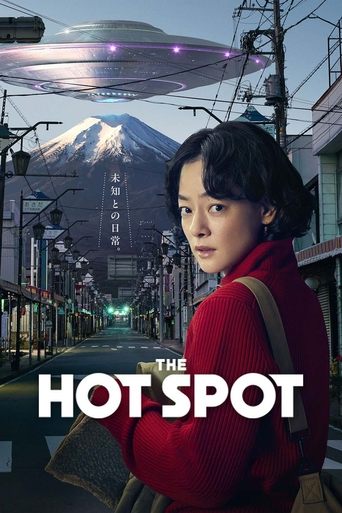
Several comedies take an idea and follow it gravely to the end. Arakawa Under the Bridge (2011) is about a wealthy young man who owes his life to a girl living on a riverbank and joins her community of eccentrics. Mr. Nietzsche in the Convenience Store (2016) concerns a night-shift worker who answers every customer with philosophy. Great Selection Taxi (2014) is driven by a man whose cab can take a passenger back to the moment of a wrong decision, and The Hot Spot (2025), written by Bakarhythm, is about three women at a hotel near Mount Fuji who learn that one of their colleagues comes from another planet, and carry on much as before.
Places on screen
These series are a tour of Japan. Tokyo is seen from its edges as much as its centre: the suburban apartment blocks of Nagi's Long Vacation, the riverside streets of Matrimonial Chaos, the fashionable hill of Tokyo Alice, and the Shibuya of 1984 in Pray Speak What Has Happened (2025). Osaka is the setting of The Great White Tower and Blue Blazes. The north belongs to From the Northern Country and Stay Tuned!, both set in Hokkaido, and to Welcome Home, Mone and And, Live, set on the north-east coast.
The provinces are everywhere. Rikuoh is set in Gyoda, a town that really does make tabi; Worst to First: A Teen Baseball Miracle in Mie; Koinaka in Toyama; Black Kite and Teasing Master Takagi-san beside the Inland Sea; The Hot Spot at the foot of Mount Fuji; and Kisarazu Cat's Eye in the port whose name it bears. The Emperor's Cook moves from the hills of Fukui to Tokyo and Paris, and Lunch at a Famous Building visits a different piece of mid-century architecture, and its dining room, in every episode.
Faces to follow
Japanese actors move easily between leading and supporting parts, and following one of them is a good way through the catalogue. Takuya Kimura, the great star of the 1990s and 2000s, appears in Love Generation, Good Luck!! and A Life: A Love. Satomi Ishihara leads Pretty Proofreader, Dear Sister and Love Deeply!, and Yui Aragaki Seven Days of a Daddy and a Daughter, The Full Throttle Girl and Weakest Beast. Haru Kuroki is in Nagi's Long Vacation, The Emperor's Cook and Worst to First: A Teen Baseball Miracle. Kasumi Arimura is in Life's Punchline, Our Sister's Soulmate, And, Live and A Day-Off of Kasumi Arimura.
Among the men, Takeru Satoh appears in The Emperor's Cook, Q10 and Black Kite; Masaki Suda in Life's Punchline, Pretty Proofreader and Pray Speak What Has Happened; Yosuke Eguchi in The Great White Tower, Emergency Room 24 Hours and The Queen of Lunchtime Cuisine; and Hiroshi Abe in Going My Home and News Anchor. Yuki Amami leads Chef: Three Star School Lunch and Fake Marriage, and Ko Shibasaki Good Luck!!, A Girl of 35 and The History of Our Family. The comedian Bakarhythm is the writer of The Hot Spot, Great Selection Taxi and Fictitious OL Diary, and appears in the last two.
From the page to the screen
A large share of Japanese dramas begin as comics, and the adaptations are a study in themselves. The live-action versions keep the plots and often the exact poses of famous panels, and they are cast with great care, since readers arrive with firm ideas of how each character should look. Teasing Master Takagi-san, Kotaro Lives Alone, Arakawa Under the Bridge, Switch Girl!!, Takane & Hana and Yamada-kun and the Seven Witches all come from comics for younger readers, and The Ingenuity of the Househusband (2021) is a set of short comic sketches, drawn from a popular series, about a fearsome-looking man who has given his heart to housework.
Novels supply the weightier dramas. The Great White Tower and Rikuoh are from two of the best-selling novelists in the country, The Emperor's Cook from a biographical novel, and Black Kite from a much-loved book by Kiyoshi Shigematsu. Other series are original scripts by writers whose names are as well known in Japan as those of the actors: Yuji Sakamoto, Kankuro Kudo, Akiko Nogi, Koki Mitani and So Kuramoto each have a recognisable voice, and a viewer who enjoys one of their series will usually enjoy the next.
A few are remakes. Good Doctor and She Was Pretty are Japanese versions of Korean dramas, as is He is Beautiful, and Final Fantasy XIV: Dad of Light began as a blog. The traffic runs the other way as well: Matrimonial Chaos, Mischievous Kiss and You're My Pet have all been remade elsewhere in Asia.
Seasons and episodes
The Japanese broadcasting year is divided into four seasons of three months, beginning in January, April, July and October, and almost every drama belongs to one of them. A series is shown once a week at a fixed hour, usually in episodes of about forty-five minutes with a longer first and last, and ends after ten or eleven weeks. A successful drama may return for a second season or a special episode, and a few, such as DOCTORS: The Ultimate Surgeon, have several; Bingr lists every season on the page of the series, in order.
Three kinds of series follow other rules. The historical drama of the national broadcaster runs through a whole calendar year in about fifty episodes. The morning serial runs for six months in daily episodes of fifteen minutes. And the late-night drama, shown after eleven in half-hour episodes, is where many of the comedies and the series made from comics are found: Kantaro: The Sweet Tooth Salaryman, Samurai Cat and Wasteful Days of High School Girls are of this kind. The streaming services have added a fourth, the short series of five to eight episodes released together, such as 0.5 Man.
The label on each poster gives the total number of episodes recorded by TMDB, and the three length lists are built from that number. A series of ten episodes can comfortably be watched over a weekend, five on each day; most viewers find that the first two episodes set out the people and the place and that the story takes hold in the third. Because each drama is complete, there is seldom any need to remember what happened last year, and it is easy to move from one series to another of a quite different kind.
A first month
A newcomer could spend a first month with Bingr as follows. In the first week take a short series, 0.5 Man or Stay Tuned!, to get used to the rhythm. On the first weekend watch Nagi's Long Vacation. In the second week try a comedy by Kankuro Kudo, Extremely Inappropriate!, and on the second weekend Rikuoh. In the third week watch Matrimonial Chaos, and in the fourth begin The Great White Tower or From the Northern Country, which will carry on into the following month. By the end the three length lists will each have a familiar landmark.
Households with children can follow a different path. Teasing Master Takagi-san, Samurai Cat, Kotaro Lives Alone, Final Fantasy XIV: Dad of Light, Tengu's Kitchen, Poketto ni Bōken o Tsumekonde (2023), about a young woman whose first job reminds her of a game she loved at ten, and Chef: Three Star School Lunch are all suitable for viewers from about ten years old. Rikuoh, Worst to First: A Teen Baseball Miracle and The Emperor's Cook are good choices for a family with teenagers.
Watching with subtitles
Most official services offer these series with English subtitles, and a few of the newest have dubbed versions. Subtitles are the better choice. Japanese speech carries a great deal in its levels of politeness: the way a junior clerk addresses a section chief, or a wife her mother-in-law, tells the viewer where each stands, and the moment a character drops the polite form is often the turning point of a scene. After a few episodes certain phrases become familiar, the greeting on coming home, the words said before a meal, the apology that opens every request.
Titles are listed under their English release name where one exists and under the Japanese original otherwise, so that Ryōmaden, Koinaka and anone keep their own names. The search recognises both forms, and typing Shiroi Kyoto will find The Great White Tower just as surely as typing the English title. The Japanese title is shown in its own script beneath the English one on every page.
How the series were chosen
The catalogue began with a search of TMDB for live-action series whose original language is Japanese. That search returned about five hundred titles. Animation has guides of its own and was set aside, as were crime and mystery series, reality programmes, documentaries and variety shows, and the remainder was read through by hand, story by story and poster by poster. Series made for adult audiences were removed, as were stories centred on cruelty, and 151 remained. Every title on Bingr is unique to this guide among its sister sites.
A few of the series kept are serious dramas best suited to older teenagers and adults: The Great White Tower, The Hours of My Life, anone, Black Kite and the four historical series among them. The descriptions on their pages make the tone clear. Scores, cast lists, episode lists and descriptions come from TMDB, and the Watch now links are provided by JustWatch, which records where each series is officially available country by country. Japanese dramas reach foreign services unevenly, and a title that is missing in your country today may well appear later.
Using Bingr
Search is the quickest route to a series whose name you know. Begin to type in the field at the right of the header and matches appear under it at once, each with its year. The Series page lists the whole catalogue with the most popular titles first, and the A-Z page sets all 151 in alphabetical order, one letter to a page. The numbered rows on the home page are the place to start when the question is how much time there is.
My List is a running order for the weeks ahead. Open any series, press Add to My List, and it joins the queue; the orange button in the header shows the queue from wherever you are. Bingr holds the list in the storage of your own browser, so there is neither a sign-up form nor a password, and the list returns each time you open the site on that device. The export button writes it to a small file, which is handy when a weekend of watching moves from a laptop to a tablet.
The help pages explain each part of the site in a few lines. How to watch describes the path from a poster to an official service, Finding titles covers the search and the lists, My List explains the queue, and Seasons and episodes explains the counts. There are short guides to one evening, a weekend and a long stay, to romance, comedy, family series, series about work, food, school and period drama, and a page that goes year by year.
Questions and answers
Questions
What is Bingr?
Bingr is a guide to 151 Japanese live-action series, made between 1981 and 2026 and chosen for the whole household. Each series page gives the story, year, cast and episodes, and a Watch now button that leads to the official services carrying the series in your country.
Which series should I watch first?
Start with Nagi's Long Vacation, Rikuoh or the five-episode Stay Tuned! The first-month plan in the guide suggests an order for seven series.
Is the catalogue suitable for families?
Yes. Every series was screened by hand, and the selection keeps to comedies, love stories, family dramas, stories of working life and gentle period pieces. A few serious dramas are best for older teenagers and adults, as the guide explains.
How long is a Japanese series?
Usually one season of ten or eleven episodes. Thirty-one series on Bingr have eight episodes or fewer, one hundred have nine to twelve, and twenty are longer.
Is there animation?
Bingr lists live-action series only. Several are based on well-known comics and cartoons.
Are the series subtitled in English?
Most official services offer English subtitles. The service page opened by Watch now lists the languages on offer.
How does My List work?
Press Add to My List on any series page. The list is kept by your own browser, free of charge, and the My List button in the header opens it.
Does Bingr host episodes or downloads?
Bingr is a guide only. Every Watch now button leads to an official, licensed service.
